A Crop That Leaves the Ground Better.
“We believe the way the world grows, builds, and packages things can restore the earth instead of depleting it.” Global Green Carbon's Hi Tech Ag agronomy system combines soil chemistry, soil biology, and precision nutrition.
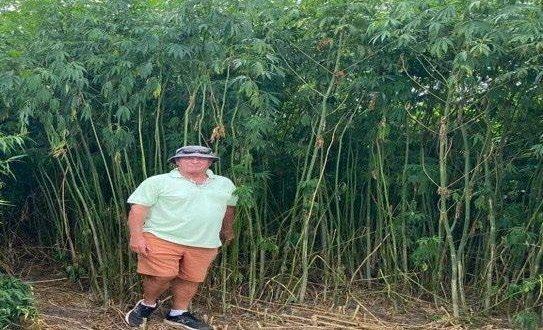
Empowering the Planet with Industrial Hemp
Global Green Carbon is a sustainability-driven company pioneering renewable, carbon-negative materials. Through industrial hemp, it develops scalable solutions for energy, climate resilience, and environmental regeneration.
Their Vision
To lead the global transition toward carbon-negative industries using regenerative hemp ecosystems, aligning environmental responsibility with commercial scale while capturing and storing atmospheric CO2.
What Drives Them
Sustainability must scale, and fast. Their farms, technologies, and teams are built to meet real-world demand while restoring the planet's natural balance, guided by circularity, transparency, and global collaboration.
Three Key Phases
Regenerative Hemp Farming
Industrial hemp cultivated across scalable farmland to absorb CO2, improve soil health, and provide sustainable raw materials.
Advanced Carbon Tech and Processing
Pyrolysis and clean processing systems transform hemp into biocoal, biochar, fibre, hurd, and hemp seed oil.
Global Distribution and Climate Action
Solutions for energy, construction, packaging, textiles, and wellness, each contributing to climate resilience and carbon removal.
Six Hemp-Based Solutions
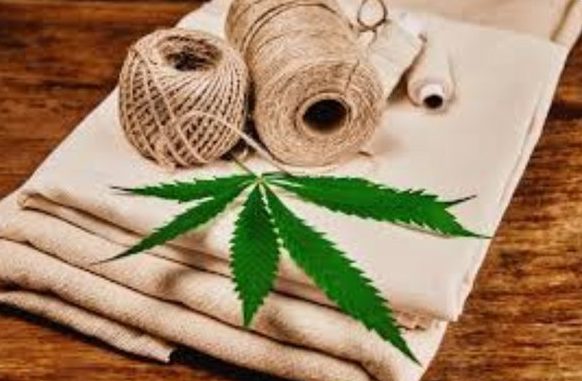
Fibre for Textiles
Ultra-clean, retting-free, high-tensile bast fibre for fashion, automotive, interiors, and nonwovens.
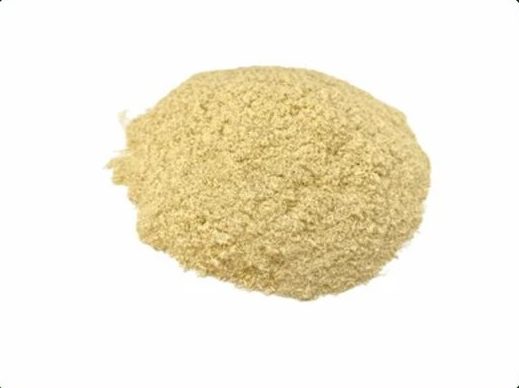
Hurd for Bioplastics
High-cellulose micronised hurd with uniform sizing for biodegradable packaging, utensils, trays, and molded forms, with no chemical treatment required.
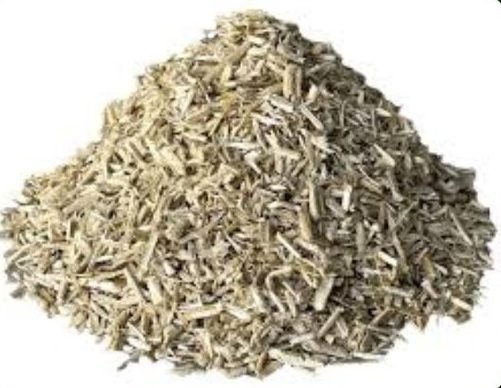
Hurd for Hempcrete
Hemp hurd and lime form hempcrete: breathable, pest-resistant, fire-safe, and insulating, reducing HVAC loads in buildings.
Biocoal
High-energy renewable carbon made by pyrolysis, free from sulfur and heavy metals, for steel, boilers, and industrial energy systems.
Biochar
Permanent carbon removal that locks away CO2 for centuries while improving soil health, crop resilience, and concrete performance.
Hemp Seed Oil
Cold-pressed, nutrient-dense oil rich in omega-3s and 6s for food, supplements, and cosmetics, with hemp cake and hulls for secondary uses.
The Coleman facility's planned scope is the three streams marked "At Coleman." Biocoal, biochar, and hemp seed oil are part of Global Green Carbon's broader product portfolio. Source: globalgreencarbon.com.au.
Built for Soil Stewardship
Fast Growth
Full maturity in about 120 days.
Deep Roots
Taproots reach up to 8.2 feet, breaking up compacted soil.
Minimal Inputs
Natural pest resistance means little to no pesticide or herbicide.
Soil-First
Feeds beneficial soil microbes and improves ground for the next crop.
Whole-Plant Use
Fiber, hurd, and seed: every part of the harvest is used.
Carbon Capture
Draws down more CO2 per acre than almost any other crop.
Why Hemp, Why Now
Conventional farmland and conventional materials are both part of the climate problem. One plant can help fix both.
Depleted Soil
Decades of intensive row-cropping strip organic matter, compact soil, and leave farmland less able to hold water or carbon.
Carbon-Heavy Construction
Buildings and construction account for more than a third of the world's energy-related CO2 emissions, more than any other single sector.
Petroleum-Based Plastics
Single-use and industrial plastics are drilled, not grown, and most never biodegrade once their working life is over.
Source: UN Environment Programme, Global Status Report for Buildings and Construction (2024/2025).
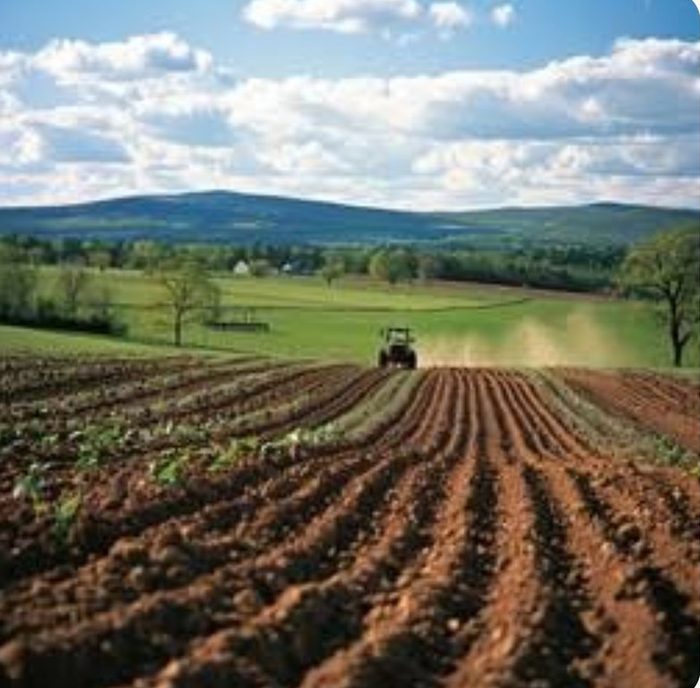
Every Acre Rebuilt, Not Eroded
- Breaks up compacted ground: taproots reach up to 8.2 feet deep, aerating soil that decades of row-cropping have compacted.
- Grows clean, by nature: naturally pest-resistant, hemp needs little to no pesticide or herbicide.
- Feeds the soil microbiome: deep roots stimulate the fungi and bacteria that improve structure and nutrient cycling.
- A proven remediator: studied on land from former industrial sites to the Chernobyl exclusion zone.
Sources: Colao et al., SCITEPRESS Smart Cities and Green ICT Systems (2015, 2020); University of Virginia soil science research.
Independent Trial: 86% More Biomass
Trial at UQ Gatton Farms, October 2021 to April 2022. Global Green Carbon owns all trial IP.
(about 11.9 metric tonnes per acre)
(about 6.4 metric tonnes per acre)
(13.6 t/ha additional biomass)
Dry weights recorded by the UQ Crop and Field Research Unit on 19 April 2022, after 14 days' drying at 35°C. Rob Eccles, Manager of UQ's Crop and Field Research Unit at Gatton, confirmed the trial site, conditions, and harvest in a November 2025 letter.
Built for Weather Extremes
February 2022: 875 mm (about 34 inches) of rain fell on the trial site in 48 hours. Oklahoma sees both drought and heavy-rain events.
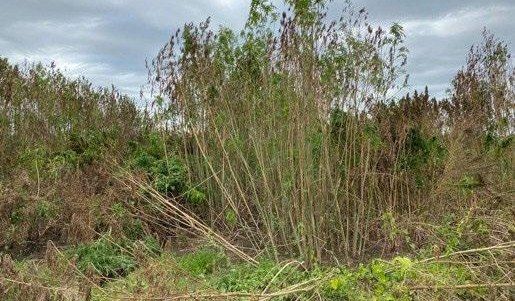
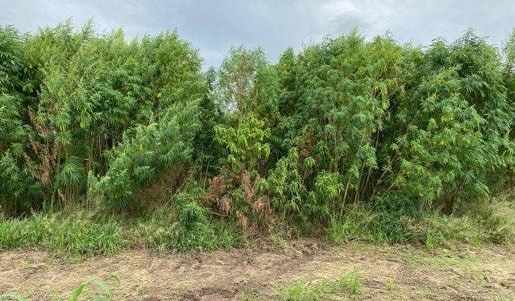
One Harvest, Three Products
Hemp Fiber
Textiles and nonwovens: a natural alternative to synthetic fiber.
Fine Hurd
Bioplastics and biocarbon: grown, not drilled.
Hempcrete Hurd
Low-carbon insulation and building material for attainable housing.
🌍 19.4 to 19.8 metric tonnes of CO2 per acre
Every dry tonne of harvested hemp stalk absorbs about 1.6 to 1.63 tonnes of CO2. At GGC's target yield of 30 tonnes per hectare (12.1 tonnes per acre), that is more than 8 times what an established forest captures each year. A GGC target estimate, not a measured result.
Building with Hemp
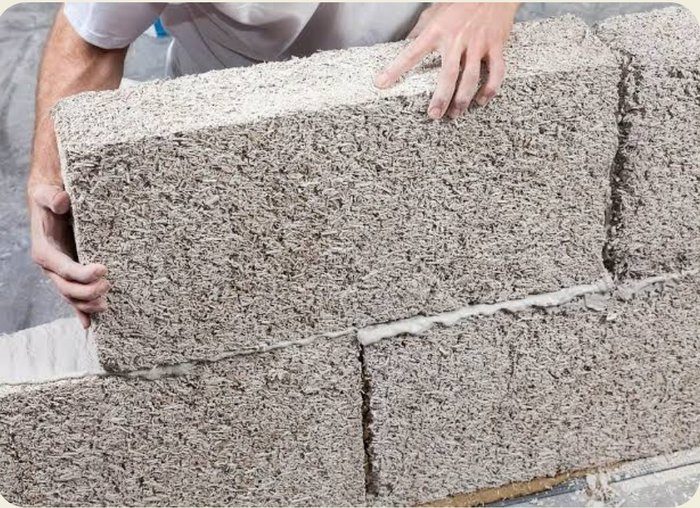
Hempcrete is a low-carbon building material made from coarse hemp hurd mixed with a lime-based binder and water. Coleman will produce dried, coarse-milled, bulk-bagged hempcrete hurd, the feedstock that hempcrete manufacturers turn into blocks, panels, and insulation.
- Carbon-negative insulation and wall systems
- Infill option for the Out-of-the-Box steel frame homes and academy campus
- Supply for hempcrete manufacturers, insulation companies, and building-material distributors
- Rock, sand, and lime from the Coleman quarry on the same site
of CO2 absorbed per cubic foot of hempcrete, locked in for the life of the building.
Sources: 2050 Materials; renewable-carbon.eu.
⚗️ Beyond Petroleum: 15 to 60% of the energy
Micronised hurd becomes bioplastic and biocarbon components using only 15 to 60% of the energy needed to produce equivalent aluminium, bitumen-plastic, or galvanised steel cladding panels. Renewable. Biodegradable. Grown, not drilled. (Source: Centre for Natural Material Innovation, University of Cambridge, 2021.)
Farm Hemp on Your Land. We Provide the Seed and Fertilizer.
We are looking for Oklahoma farmers who have land and can farm industrial hemp for the Coleman facility. You farm your ground; we provide the seed and fertilizer, the agronomy plan, and a buyer for your harvest.
- Seed and fertilizer provided by the project
- Agronomy support built on the Hi Tech Ag system
- A local buyer at the Coleman processing facility
- Short haul to on-site drying and processing
- Work for local planting and harvest crews
Industrial hemp only (0.3% THC or less), grown under ODAFF licensing. Terms set in individual grower agreements.
Industrial Hemp Farming in Oklahoma
What is industrial hemp used for?
Each harvest produces three products: hemp fiber for textiles and nonwovens, fine hurd for bioplastics and biocarbon, and coarse hurd for hempcrete, a low-carbon building material.
How long does hemp take to grow?
Industrial hemp reaches full maturity in about 120 days.
Is hemp good for the soil?
Hemp taproots can reach up to 8.2 feet, breaking up compacted soil, and the crop needs little to no pesticide or herbicide. It feeds beneficial soil microbes and improves ground for the next crop.
What were the University of Queensland trial results?
In a trial at UQ Gatton Farms from October 2021 to April 2022, Global Green Carbon's Hi Tech Ag system produced 29.4 tonnes per hectare of dry biomass versus 15.8 for the industry-standard control, an 86% uplift.
Who is Global Green Carbon?
Global Green Carbon is an Australian sustainability-driven company pioneering renewable, carbon-negative materials from industrial hemp, including fibre, hurd for bioplastics and hempcrete, biocoal, biochar, and hemp seed oil. It leads the Coleman, Oklahoma hemp processing facility.
Who buys industrial hemp products?
Textile mills, apparel brands, automotive suppliers, and furniture manufacturers buy fibre; bioplastic compounders and packaging manufacturers buy micronised hurd; and hempcrete manufacturers, insulation companies, building-material distributors, and construction companies buy hempcrete hurd.
Can Oklahoma farmers grow hemp for the project?
Yes. We need farmers who have land and can farm hemp. We provide the seed and fertilizer, agronomy support, and a buyer for the harvest at the Coleman facility.
Farmers and Crews: Let's Talk
If you want to plant, harvest, or grow hemp to sell to the project, reach out. Contact Kevin Edmundson at kevin@viviscent.org or (877) 671-6244.